

Culture, Leadership and AI: What February 5th Reinforced for Me
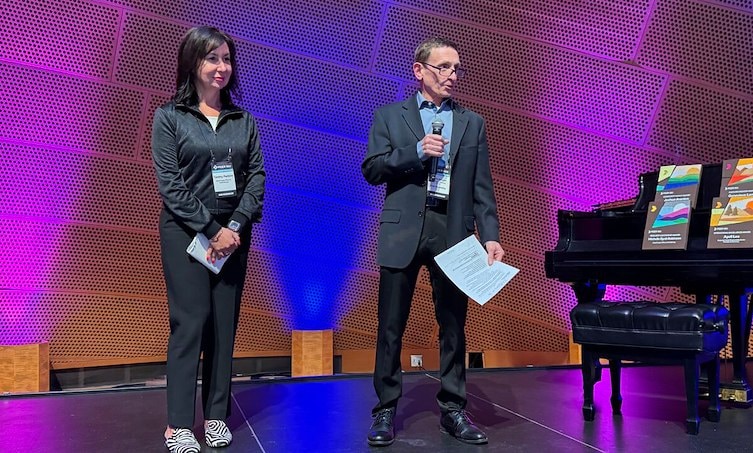
On February 5, approximately 100–125 senior HR and business leaders gathered at Walt Disney Concert Hall for Peer 150's Annual Leadership Award Program. This was a full day of conversation around culture, leadership, and the accelerating impact of artificial intelligence on the employee experience.
The setting was iconic—but the dialogue was anything but theoretical. It was candid, grounded, and immediately applicable. Especially for organizations like Cote Hospitality, where culture is not a tagline or an internal campaign, but a true strategic differentiator.
Culture as Infrastructure (Not Decoration)

The opening panel reframed culture in a way that resonated deeply with me: culture is infrastructure. It is not ornamental. It is not optional. And it is certainly not something you dust off once a year.
One statistic landed hard:
Only 23% of employees believe their leaders truly "walk the walk."
That gap—between intention and behavior—is where culture erodes.
One quote captured it perfectly:
"Culture is not what we say—it's what we tolerate."
That statement mirrors what we live every day at Cote. Values only matter when they are tested—when they cost something, slow something down, or force an uncomfortable decision. As one panelist put it, "Every change decision is a culture decision." There is no such thing as a neutral leadership choice.
Kindness came up repeatedly as a strategic value. And I agree—kindness matters. But kindness without accountability is hollow. Leaders set the tone through behavior, consistency, and follow-through. Even the most basic question—"How are you?"—only matters if you stay long enough to hear the answer.
These conversations rang true because they mirror what we strive to do across our properties. Whether you're walking the grounds at Tanque Verde Ranch, Grand View Lodge, or spending time at our summer camps—Camp Lincoln & Camp Lake Hubert—genuine hospitality requires genuine care. For guests. For campers. And for the employees who bring the experience to life.
Leadership Resilience: Leading Change, Not Managing It
A fireside conversation on leadership resilience reinforced a critical distinction: the future belongs to leaders who lead change, not manage it.
A few ideas stood out:
Fireside-style conversations with the CEO—open to all associates—build trust and transparency, even when held virtually.
Mentorship is not optional; it is essential to building the next generation of leaders.
Leaders must continually return to values as an anchor, especially during disruption.
As I listened, I felt a sense of reassurance thinking about our GUIDE Mentorship Program, now entering its second session. GUIDE was designed for exactly this purpose—to develop leaders who are grounded, capable, and values-driven, while ensuring our people remain employable, adaptable, and growing, regardless of role or tenure.
Artificial Intelligence: Strategy Before Tools
The AI discussions were refreshingly practical—not futuristic, not hype-driven.
One message was consistent and clear:
Strategy must precede AI adoption. Always.
Rather than asking, "What AI tool should we use?" leaders were encouraged to ask a far better question:
"What are the 5–10 manual things you do today that AI could meaningfully support?"
At organizations like REI, IT and People Services partner closely on AI, reinforcing that this is not a technology-only conversation. One comment stopped the room:
"The new ‘labor' is anything typed manually—and much of it will disappear."
For hospitality organizations, this presents both opportunity and responsibility. AI can and should drive efficiency—but never at the expense of the human connection that defines our industry.
Diversity, Purpose, and the Discipline of Asking "Why"
A midday discussion challenged leaders to dig deeper—not just into what they're doing, but why.
A recommended read, Profitable Diversity, underscored a key point: diversity efforts succeed when they are intentional, strategic, and grounded in outcomes. Understanding why different groups engage, behave, or connect differently leads to smarter recruiting, better retention, and stronger risk management.
This is not about checking boxes. It's about making informed, thoughtful decisions that align with both values and business realities.
AI and the Employee Experience: High-Tech, Human-Centered
A later session focused specifically on AI's impact on the employee experience, and the tone was refreshingly human:
High-tech must be paired with high-touch
Personalization matters—blanket solutions erode trust
AI should break down silos, not reinforce them
Leaders must acknowledge that replacing human connection with technology is emotionally difficult for many people
The challenge—and the opportunity—is ensuring that AI supports connection, rather than replaces it.
From Ideation to Execution: Where Leadership Is Proven
The final panel addressed execution—where many good ideas fail.
Great leaders, it was said:
- Are excellent at their core job
- Build strong relationships
- Understand the business deeply
- Remain intellectually curious
- Get out of their own way
Imposter syndrome came up repeatedly. One reminder stuck with me:
"You are the only one obsessed with you."
Leadership is not a popularity contest. It requires clarity, courage, and decisiveness. One practical takeaway was especially sharp:
Use your calendar as a weapon.
Time allocation reveals true priorities.
Leaders were also encouraged to draw from a full toolkit of influence—expertise, information, reciprocity, trust, and meaningful rewards—always grounded in respect and authenticity.
A Human Ending to a Human Day
The day concluded with awards recognizing innovative leadership, resilience, operational excellence, and community involvement—followed by dinner and candid conversation.
One thoughtful comment lingered with me: a leader noted that mandating emergency contacts universally can be insensitive, as not everyone has immediate family or traditional support structures. A small detail—but a powerful reminder that inclusion lives in nuance, not policy language alone.
Final Reflection
February 5 reinforced something we already know—but must recommit to daily:
Culture is built (or eroded) every day
Leadership is demonstrated through behavior
Technology must serve people—not replace them
At Cote Hospitality, our responsibility is clear: to continue creating environments where people feel safe, valued, challenged, and supported—while developing leaders who can carry that culture forward, thoughtfully and intentionally.